About Us
About Us
Discover the Stories Behind the Chinese Zodiac
Welcome to Chinese Zodiac, a friendly and informative space created for anyone curious about the Chinese Zodiac.
Here, we explore the Twelve Zodiac Animals not as mysterious symbols, but as cultural stories passed down for thousands of years—stories about time,
nature, personality, and how people once understood the world around them.
Whether you are checking your zodiac sign, learning about a festival tradition, or simply exploring Chinese culture,
we’re here to make the experience clear, accurate, and enjoyable.
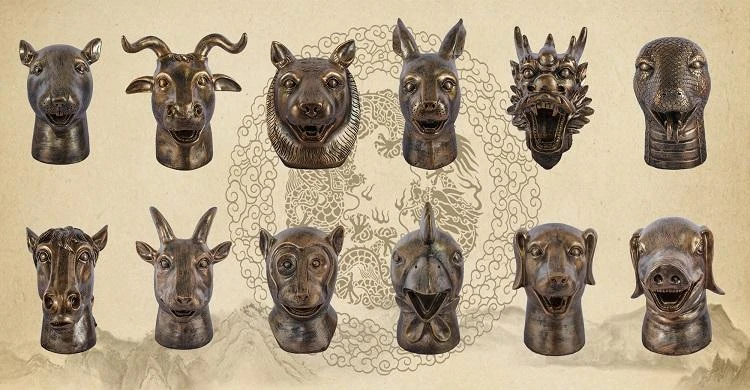
What We Believe
The Chinese Zodiac is more than a way to label years.
It reflects ancient ideas about balance, cycles of nature, and the relationship between humans and the world they live in.
These ideas are still meaningful today—and they deserve to be explained with care, not shortcuts.
Our goal is to help modern readers understand where zodiac knowledge comes from, how it works, and what it means culturally—without unnecessary mysticism or confusion.
Where Our Information Comes From
We take accuracy seriously, but we explain things in a way that feels natural and easy to understand.
Ancient Texts & Historical Records
Our core zodiac structure is based on some of the earliest known Chinese writings, including:
- Lunheng (论衡) by Eastern Han scholar Wang Chong, one of the earliest and most complete records describing the Twelve Zodiac system.
- Cross-referenced materials from:
- The Book of Songs (Shijing)
- Qin Dynasty bamboo texts (Shuihudi “Rishu”)
These sources help us avoid modern myths and stay close to original historical ideas.
How We Calculate Zodiac Years
One common mistake online is using January 1 to define zodiac signs. We don’t do that.
- Zodiac signs on this website are calculated based on the Chinese Lunar Calendar.
- The zodiac changes at Chinese New Year (Spring Festival), not the Gregorian New Year.
- Our date conversion follows official standards published by the
Purple Mountain Observatory, Chinese Academy of Sciences.
This ensures that zodiac results are reliable—even for people born near the Lunar New Year or in earlier centuries.
Cultural Meanings, Explained Simply
Descriptions of zodiac traits and symbolism are drawn from:
- Traditional stories and folk customs
- Historical notes and classical commentary
- Modern cultural and folklore research
When there are different interpretations, we present them openly so readers can explore multiple viewpoints.
Our Content Principles
- Accuracy First: Important details—like zodiac years, elements, and cycles—are always based on trusted references.
- Easy to Read, Easy to Use: We avoid academic jargon and explain ideas with examples, visuals, and timelines whenever possible.
- Regular Updates: Our content is reviewed and refreshed as research evolves and as readers share feedback.
Last updated: 2026-01-05
Who We Are
We’re a small team of Chinese culture enthusiasts, writers, and technical builders who believe tradition and technology can work together.
Some of us focus on historical research, others on building tools that make zodiac information quick and easy to access.
What we all share is respect for the culture behind the symbols.
Our Promise to Readers
- No superstition, no fear-based content: We focus on cultural understanding, not fortune-telling or predictions.
- Balanced and respectful explanations: When traditions vary, we explain the differences instead of choosing sides.
- Your privacy matters: All tools on this site work without collecting personal or sensitive information